



Net Weight vs. Gross Weight: What's the Difference?
Want to know the difference between net weight and gross weight, and how to apply these concepts in your business? Discover both definitions, how they relate to tare, and see practical examples on the Balanças Marques blog.
To get the most out of your scale — whether in retail or industry — it's important to understand the concepts behind weighing well. Net weight and gross weight are two of the most commonly used terms in daily operations, and the difference between them can directly affect billing, the transport of goods, and even compliance with labelling regulations.
That's why our experts at Balanças Marques explain, in simple terms, what each of these weights means and how they relate to tare.
So, what is net weight?
Net weight is the weight of the product alone, without including the packaging, container or any other packing material — in other words, without the tare. This is the weight that actually matters to the consumer, since it reflects the real quantity of the item being purchased.
For example, when selling nuts in bulk, the net weight corresponds only to the weight of the nuts themselves, without the bag or container they're placed in.
And what is gross weight?
Gross weight, on the other hand, is the total weight of the whole set — the product plus the packaging or the means of transport — meaning it includes the tare. This figure is most relevant, for example, when loading a truck or calculating transport costs, since it reflects the actual weight being moved.
How net weight, gross weight and tare relate to each other
These three concepts are directly linked through a simple formula:
Gross Weight = Net Weight + Tare Net Weight = Gross Weight - Tare
For example: a bag of nuts with a gross weight of 550 g, whose empty packaging (tare) weighs 50 g, has a net weight of 500 g — which is, in fact, the weight of the product the customer is actually paying for.
To better understand this last concept, check out our article on what tare is.
Here's how these concepts apply in practice
- In a retail business
When selling in bulk — nuts, cereals, reusable cleaning products — net weight ensures the customer only pays for the product, not for the container it comes in. With a digital scale that has a tare function, like the BM5 ARM with the Zero Waste module, this calculation is done automatically, without wasting time at the counter.
- In an industrial or logistics business
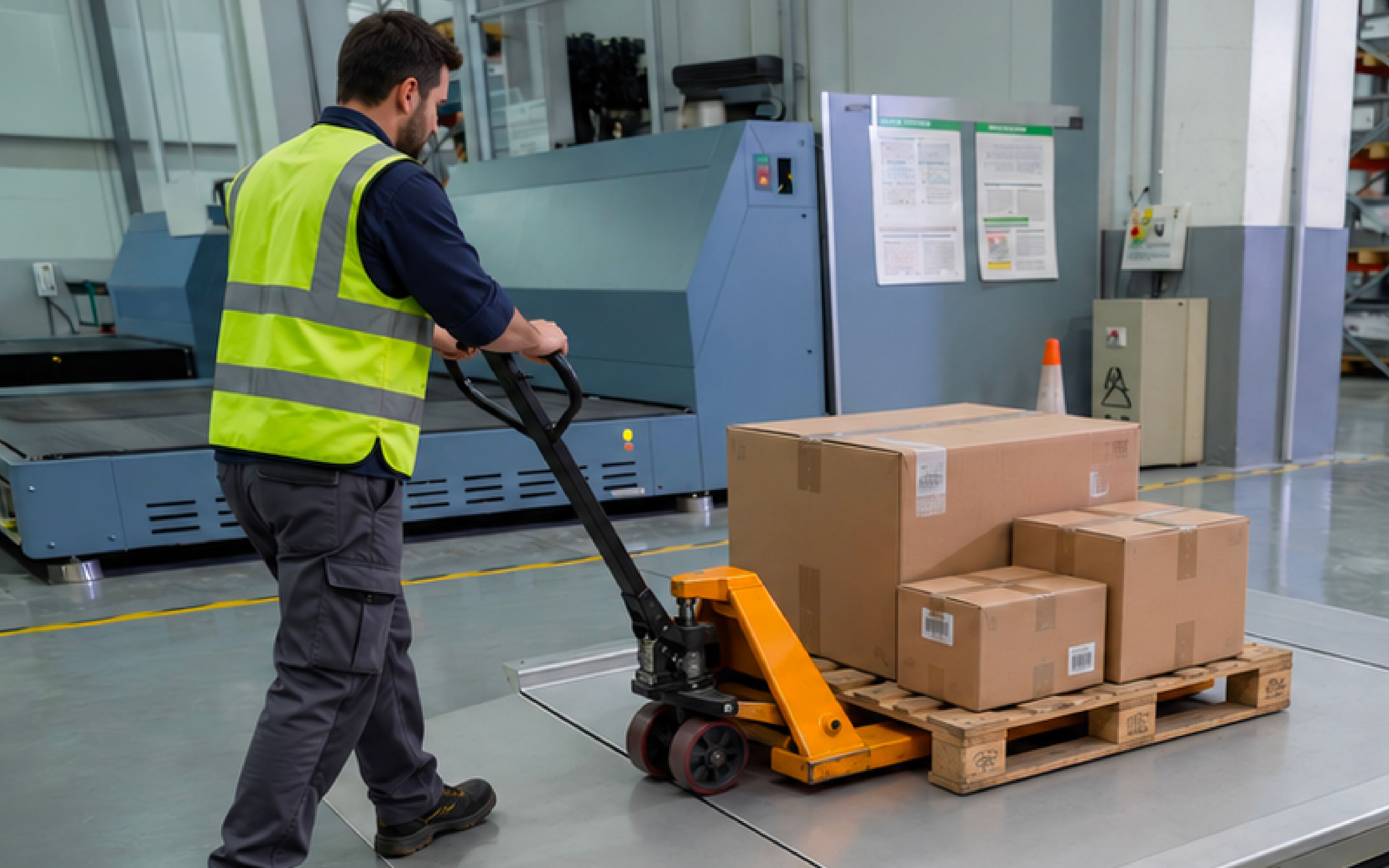
When transporting goods, gross weight is essential for load planning and for complying with legal vehicle weight limits. With a pallet truck scale, for example, you can obtain both the gross weight (goods + pallet) and the net weight (goods only), without manual calculations.
Frequently asked questions
1. What's the difference between net weight and gross weight?
Net weight is the weight of the product alone; gross weight also includes the packaging or means of transport (the tare).
2. How do you calculate net weight?
Simply subtract the tare (the weight of the empty packaging) from the gross weight: Net Weight = Gross Weight - Tare.
3. Why does net weight appear on product labels?
Because it's the actual weight of the product the consumer is buying, without counting the packaging.
Understanding the difference between net weight and gross weight is essential for running your business with greater accuracy — whether in retail, industry or logistics. If you have any questions on this topic, or would like to learn about our weighing equipment with tare functionality, contact us. At Balanças Marques, we're always here for you!