


Weighing challenge: how Ferpinta invoices every truck by its actual weight with Balanças Marques
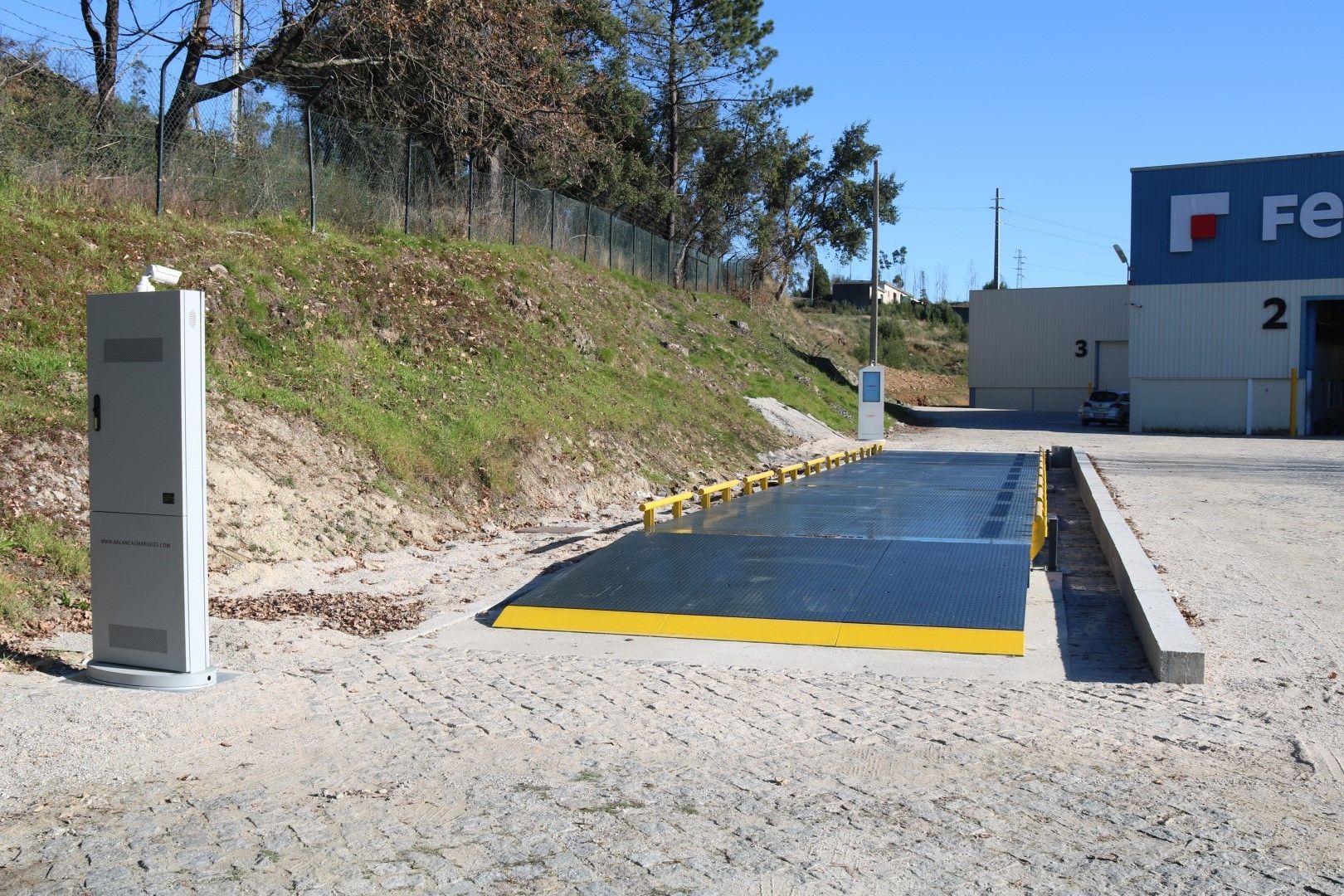
Ferpinta sells iron bars by the unit but invoices by weight. One extra bar on a truck can easily go unnoticed and, added up over a year, weigh heavily on invoicing. With Balanças Marques, the group automated truck weighing at its seven Ferro units and can now detect any weight difference before a truck leaves.
In this case study, we explain how the project began with the automation of truck registration in 2019 and evolved into automatic control of the invoiced weight in 2023.
Ferpinta's case at a glance
- Client: Ferpinta, a Portuguese group that produces and sells steel tubes and other steel products.
- Where: seven Ferro distribution units and service centres in Portugal.
- Challenge: put an end to manual truck registration and make sure the invoiced weight matches the actual weight of each load.
- Solution: seven with automatic number plate recognition, interactive kiosks and the .
- Results: faster, more reliable truck processing, invoicing based on actual weight and full traceability of every weighing.
Who is Ferpinta?
Founded in 1962, Ferpinta is a Portuguese business group that produces and sells steel tubes and other steel products. Over several decades, it has become a leading multinational in the sector, both in Portugal and across Europe.
In Portugal, it is present throughout the country through its Ferro branches. Abroad, it exports to 34 markets, including Spain, Angola, Mozambique and Côte d'Ivoire. Exports account for around 60% of the group's turnover.
The challenge: manual records and weight differences
2018: a slow process that depended on operators
Ferpinta uses truck scales at each of its seven Ferro units to control the loads of metal products coming in and going out every day. Until 2018, vehicle records, including number plate, weight and other details, were made by hand. This meant:
- slow weighings that depended heavily on operators;
- time the team could have spent on other tasks;
- more errors in the records;
- lower operational and financial efficiency.
2023: selling by the unit, invoicing by weight
Following the success of the first project, Ferpinta turned to Balanças Marques again with a new question. Since it sells iron bars by the unit and invoices by weight, it needed to make sure that the theoretical weight of each load matched the actual weight leaving its premises. Any difference could lead to an incorrect invoice, at a loss to either the company or the customer.
The solution: automatic truck weighing in two phases
Phase 1 (2019): automatic number plate recognition and interactive kiosks
The Balanças Marques Research & Development team adapted the traditional truck scale to the needs of the Ferro service centres:
- Automatic number plate recognition: each truck is identified and registered automatically, with no manual records.
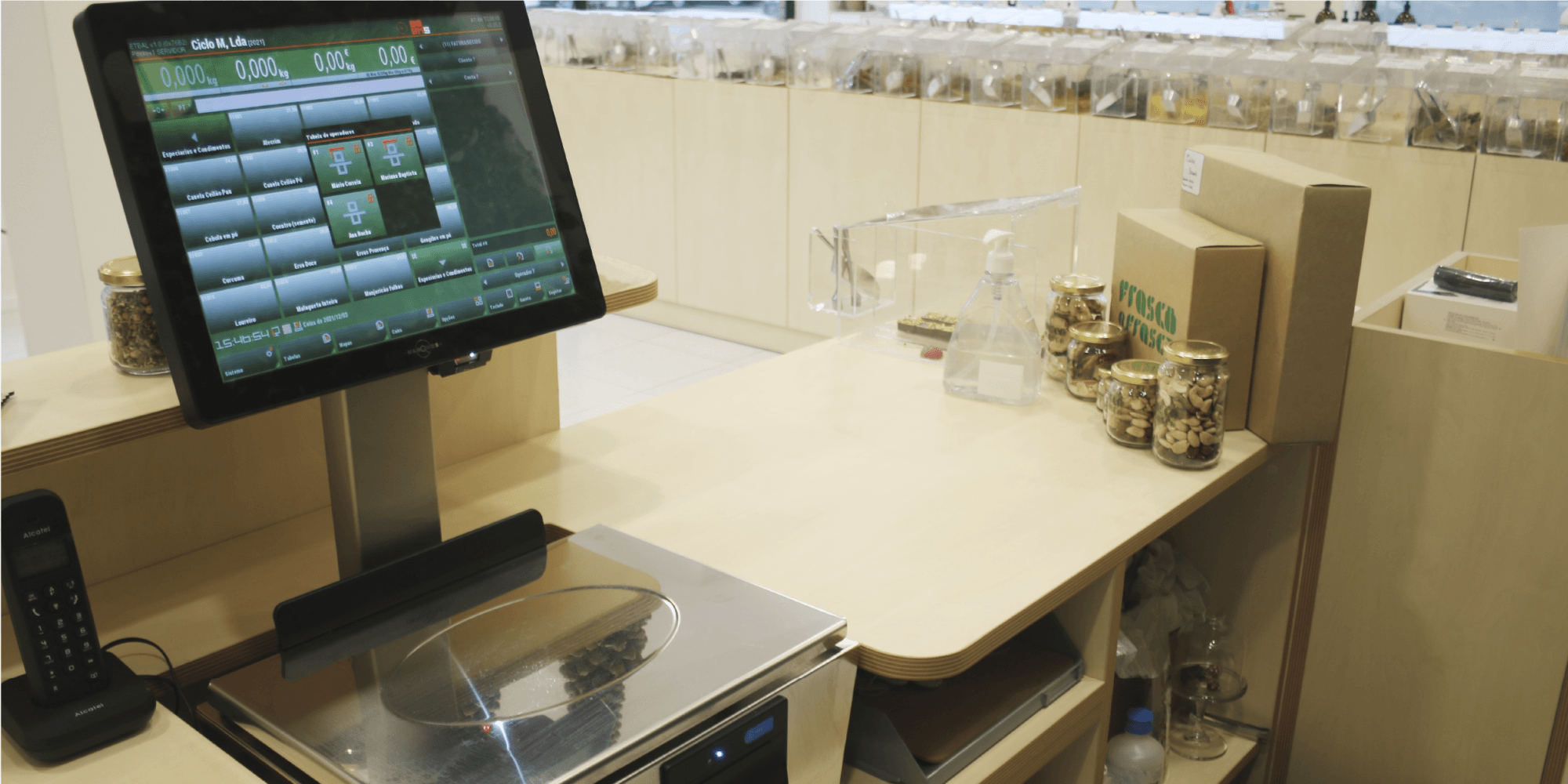
- Interactive kiosks: drivers follow step-by-step instructions on screen and check their weighing data without needing help from an operator.
Phase 2 (2023): automatic weight control with QTruck
The next step was to integrate the system with QTruck, the Balanças Marques software for managing weighbridge weighings. Ferpinta sets a safety margin and QTruck automatically compares the theoretical weight with the actual weight of each truck. If the difference exceeds that margin, the system raises an alert and the operator corrects it before the truck leaves.
The results for Ferpinta
Today, every load that leaves Ferpinta's premises is invoiced based on its actual weight, and any discrepancy is detected on the spot.
- Automated processing: the seven Ferro units process trucks faster and more reliably, without operators having to be present at all times.
- Invoicing based on actual weight: differences are detected before the truck leaves, protecting both Ferpinta and its customers.
- Greater transparency: the kiosks make the process clearer and the data more visible to drivers.
- Full traceability: every weighing is recorded and the operator only steps in when necessary.
The result is greater confidence for Ferpinta and for its customers.
When does it make sense to automate truck weighing?
Ferpinta's case shows that automation pays off above all when you:
- carry out many weighings a day and manual records cause queues and errors;
- have several sites and need the same controlled process at all of them;
- sell by the unit but invoice by weight, and every difference affects your invoicing;
- want to reduce dependence on operators and give drivers more autonomy.
See also how ETSA saves 52 hours a month on truck weighing, calculate how much you could be losing on truck weighing or explore our weighbridge accessories.
Perguntas frequentes
Encontre respostas às perguntas mais frequentes.