


What Is Tare Weight? Definition and Practical Examples
A digital weighing scale can do much more than it seems at first glance. If you use one every day in your business, it's worth knowing one of its most useful functions well: tare weight.
In this article we explain what tare weight is, how it's calculated, the difference between manual and automatic tare, practical examples in retail and industry, and the most common mistakes to avoid when using this function.
In other words, the tare function on your digital scale or display helps you determine the exact weight of goods or merchandise, without the extra weight of the packaging, pallets, or vehicles that transport them.
Three values come into play:
The relationship between the three is simple:
Net weight = Gross weight − Tare
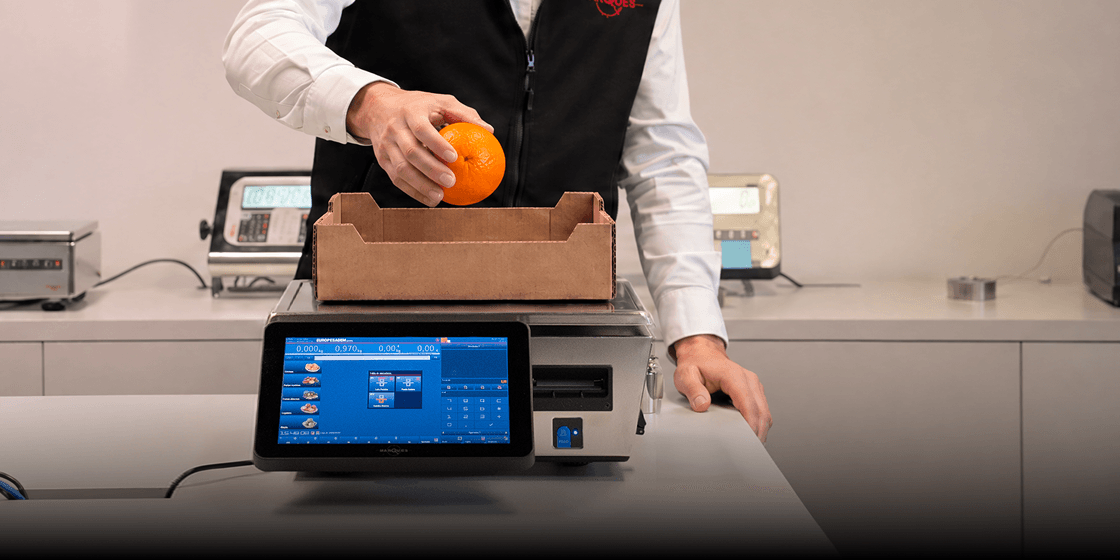
To use this function, you can weigh the empty packaging or vehicle on the scale, or enter that value directly into the equipment's system. From then on, the value is stored, and whenever you weigh goods using that container, the scale automatically subtracts the tare and shows the net weight straight away.
For businesses with a high number of daily weighings or several packaging types, automatic tare reduces human error and significantly speeds up service.
• The weight of the reusable container is automatically deducted
• The customer only pays for the product they take, with no extra cost for the container
• There's no time lost doing manual calculations at the checkout
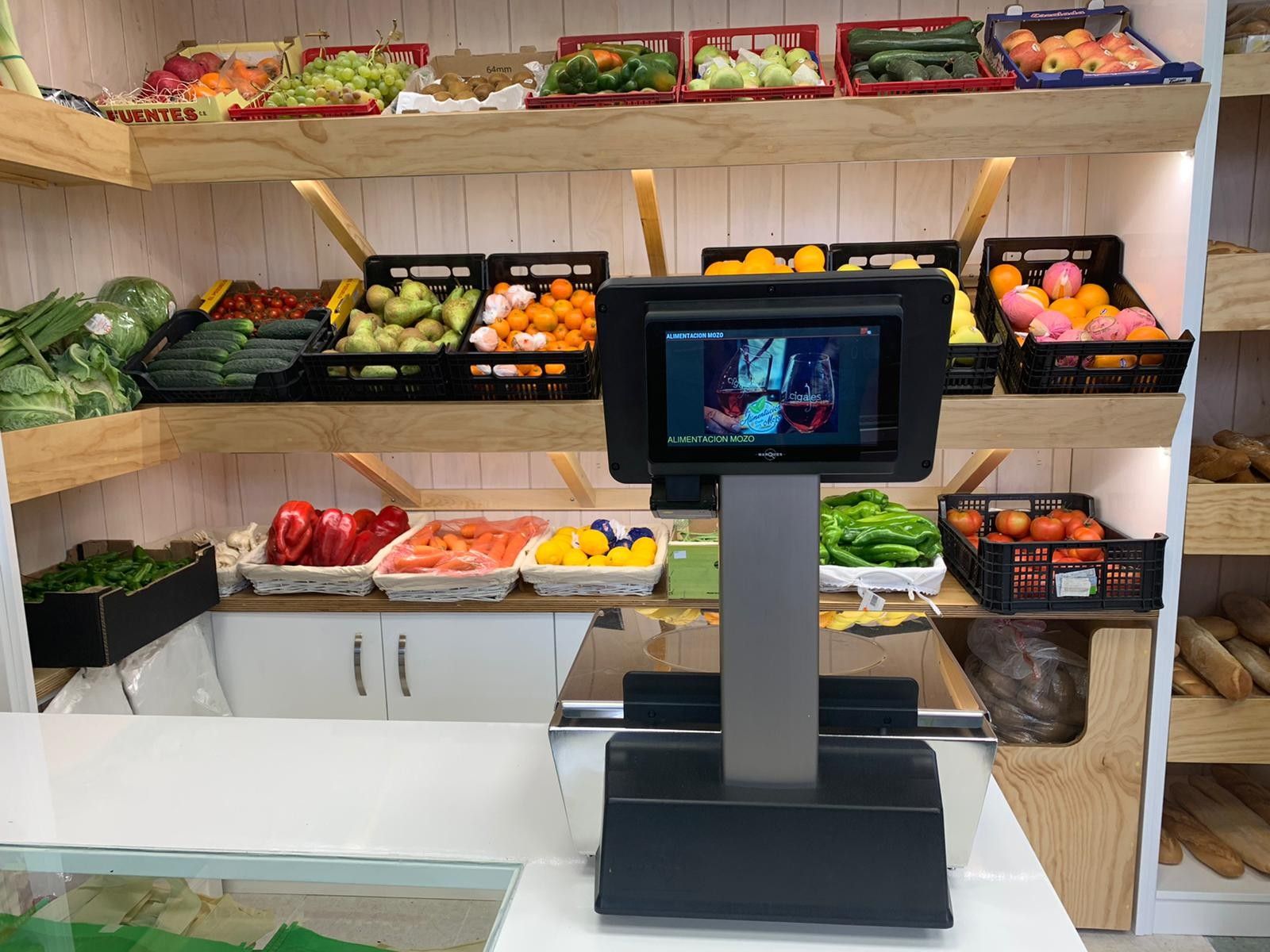
With a digital scale such as the BM5 ARM with the Zero Waste module, this process becomes even faster, since the weight of each type of packaging can be preconfigured in the system.
• A pallet truck with a built-in scale weighs the goods together with the pallet
• Tare automatically deducts the pallet's weight
• The result is the actual net weight of the goods, with no manual calculations
This is particularly useful in operations shipping large volumes, where every second saved per weighing translates into real productivity gains throughout the day.
• Confusing tare with net weight — tare is the weight of the empty packaging, not the final weighing result
• Not updating the preset value when a supplier changes the type of packaging or pallet, even if the weight changes only slightly
• Not calibrating the equipment periodically, which can cause drift in both gross weight and tare values over time
Avoiding these mistakes is essential to ensure reliable weighings, especially in businesses where the final price is calculated directly from the net weight.
If you have questions about this function or would like to learn about equipment with preconfigurable automatic tare, such as the BM5 range with the Zero Waste module, contact Balanças Marques. We're always available to help.
In this article we explain what tare weight is, how it's calculated, the difference between manual and automatic tare, practical examples in retail and industry, and the most common mistakes to avoid when using this function.
What Is Tare Weight?
According to the dictionary, in the context of weighing, tare refers to the “weight of an empty container or packaging, without the product it may hold” or the “weight of an empty transport vehicle, without its load.”In other words, the tare function on your digital scale or display helps you determine the exact weight of goods or merchandise, without the extra weight of the packaging, pallets, or vehicles that transport them.
Three values come into play:
• Gross weight
The total weight, including the packaging or vehicle• Tare
The weight of the empty packaging, container, or vehicle• Net weight
The actual weight of the goods, without the packagingThe relationship between the three is simple:
Net weight = Gross weight − Tare
To use this function, you can weigh the empty packaging or vehicle on the scale, or enter that value directly into the equipment's system. From then on, the value is stored, and whenever you weigh goods using that container, the scale automatically subtracts the tare and shows the net weight straight away.
Manual vs. Automatic Tare
Not all scales apply tare the same way. In practice, there are two approaches:• Manual tare
The operator places the empty packaging or container on the scale and presses the tare button before adding the product. It's simple and works on any equipment with this function, but requires repeating the process every time the packaging type changes.• Automatic or preset tare
The tare value is stored in the equipment's memory (linked, for example, to a product code or packaging type) and applied automatically without manual intervention. This is the case with equipment such as the BM5 ARM with the Zero Waste module, where the weight of each reusable container can be preconfigured.For businesses with a high number of daily weighings or several packaging types, automatic tare reduces human error and significantly speeds up service.
Practical Examples
In a Retail Business
Sustainability is an increasingly strong trend, and more and more bulk-sale retail businesses use reusable containers. In these contexts, the tare function becomes essential:• The weight of the reusable container is automatically deducted
• The customer only pays for the product they take, with no extra cost for the container
• There's no time lost doing manual calculations at the checkout
With a digital scale such as the BM5 ARM with the Zero Waste module, this process becomes even faster, since the weight of each type of packaging can be preconfigured in the system.
In an Industrial Business
Weighing plays a very important role in logistics and transport, as well as in the effective management of an industrial business. The tare function makes everyday operations in this type of business easier:• A pallet truck with a built-in scale weighs the goods together with the pallet
• Tare automatically deducts the pallet's weight
• The result is the actual net weight of the goods, with no manual calculations
This is particularly useful in operations shipping large volumes, where every second saved per weighing translates into real productivity gains throughout the day.
Common Mistakes to Avoid
• Forgetting to reset the tare when switching packaging or containers, which leads to incorrect weighings• Confusing tare with net weight — tare is the weight of the empty packaging, not the final weighing result
• Not updating the preset value when a supplier changes the type of packaging or pallet, even if the weight changes only slightly
• Not calibrating the equipment periodically, which can cause drift in both gross weight and tare values over time
Avoiding these mistakes is essential to ensure reliable weighings, especially in businesses where the final price is calculated directly from the net weight.
Tare in theroy and in practice: a sum up
Tare is a simple but very useful function of your digital scale or display, making the weighing process smoother, faster, and more accurate — whether in a bulk-sale retail business or an industrial operation involving pallets.If you have questions about this function or would like to learn about equipment with preconfigurable automatic tare, such as the BM5 range with the Zero Waste module, contact Balanças Marques. We're always available to help.