

Complete Guide
Industrial Scales: Everything you need to know
Learn what an industrial scale is, the different types available, industrial applications, and how to choose the right equipment with Marques' technical guide.

Complete Guide
Industrial Scales: Everything you need to know
Learn how to choose the ideal equipment to optimise your operations.
1. Definition of industrial scale
What is an industrial scale?
An industrial scale (or bascule) is a large weighing device used primarily to weigh loads, goods, animals or vehicles in sectors such as industry, logistics and agriculture. It is a large-dimension balance (also called an industrial balance or industrial weighing platform), designed to operate under demanding conditions with loads that conventional scales cannot measure.
Precision that drives your business.
2. Products
The different types of industrial scale
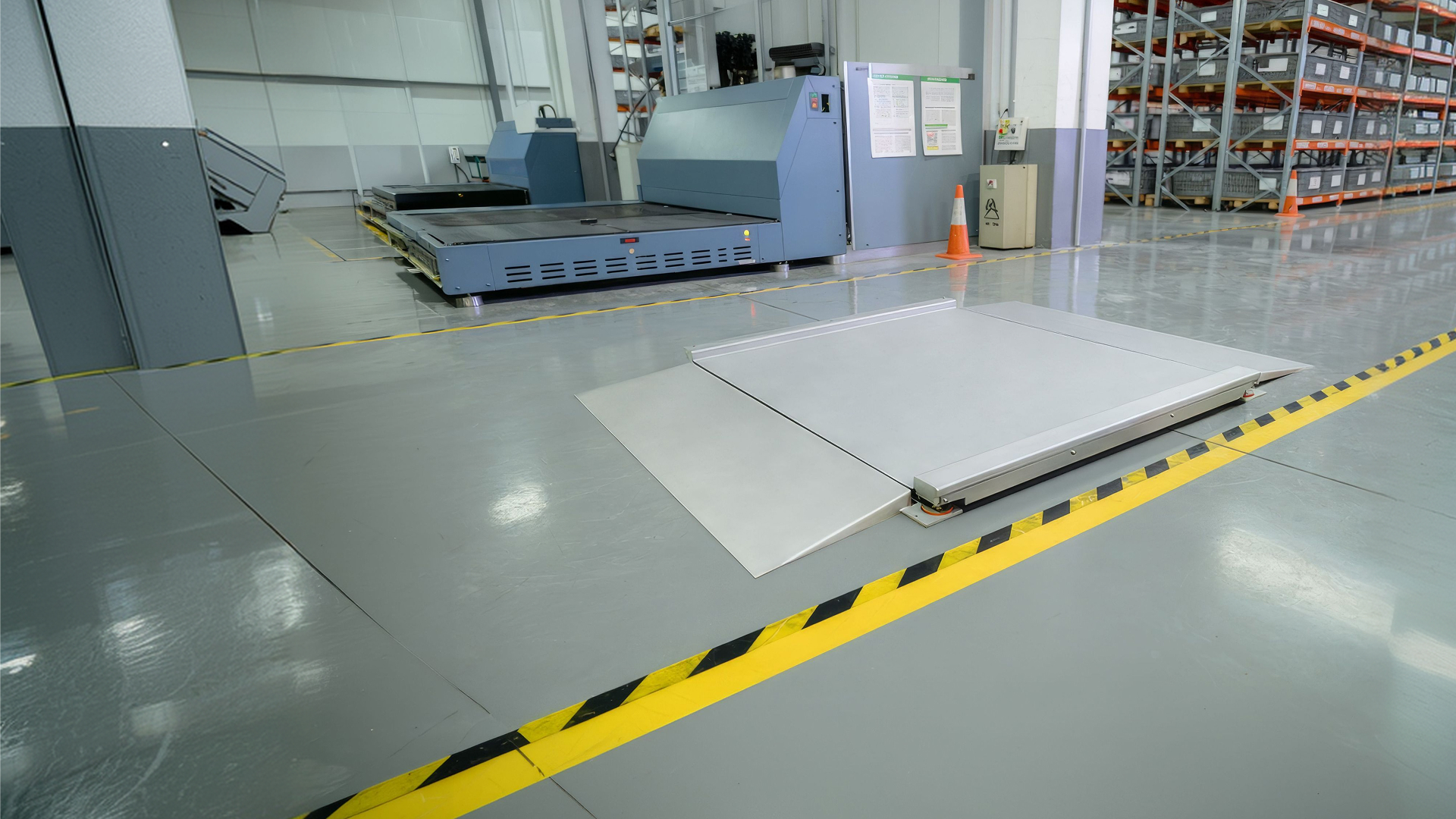
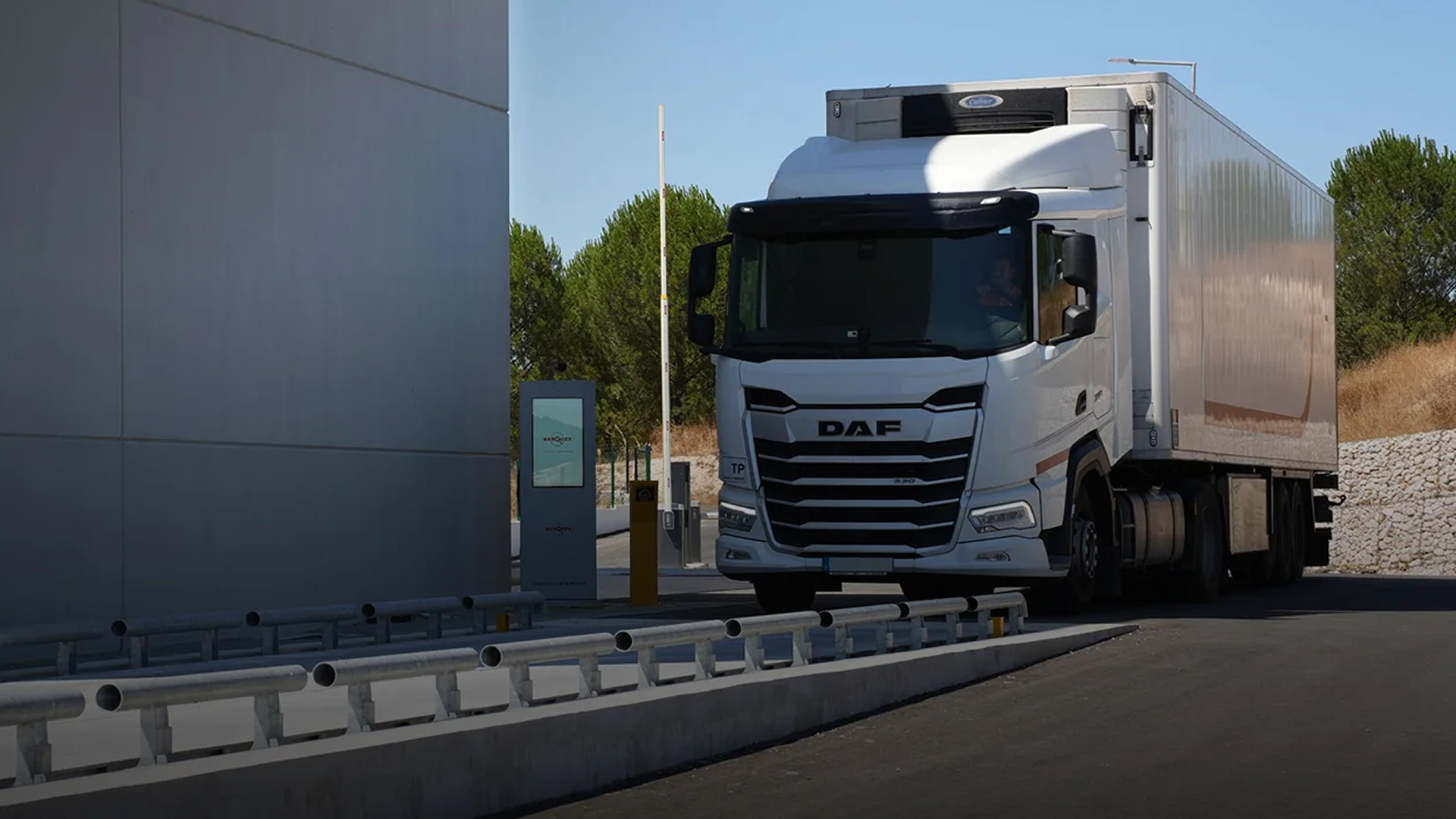
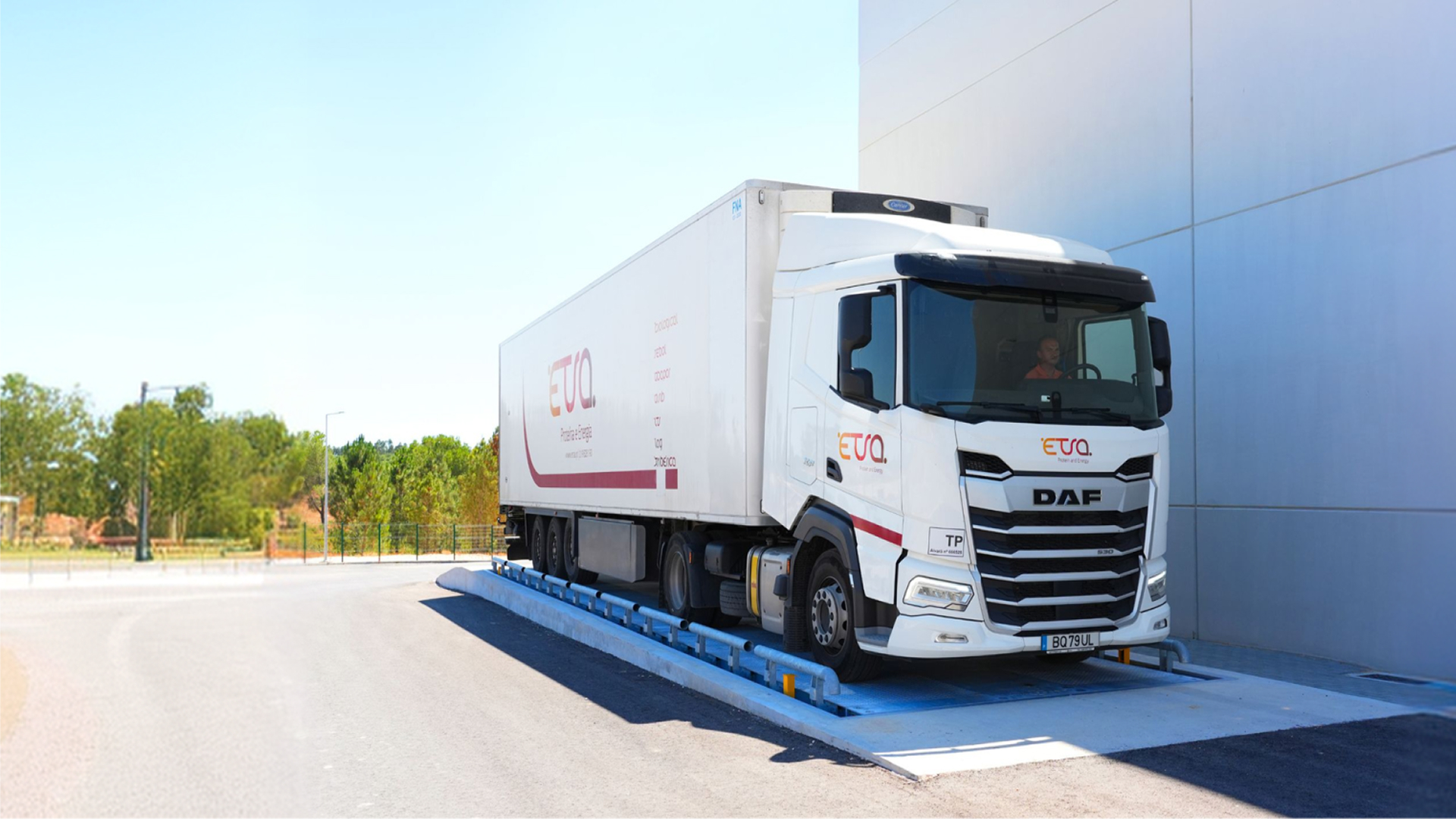
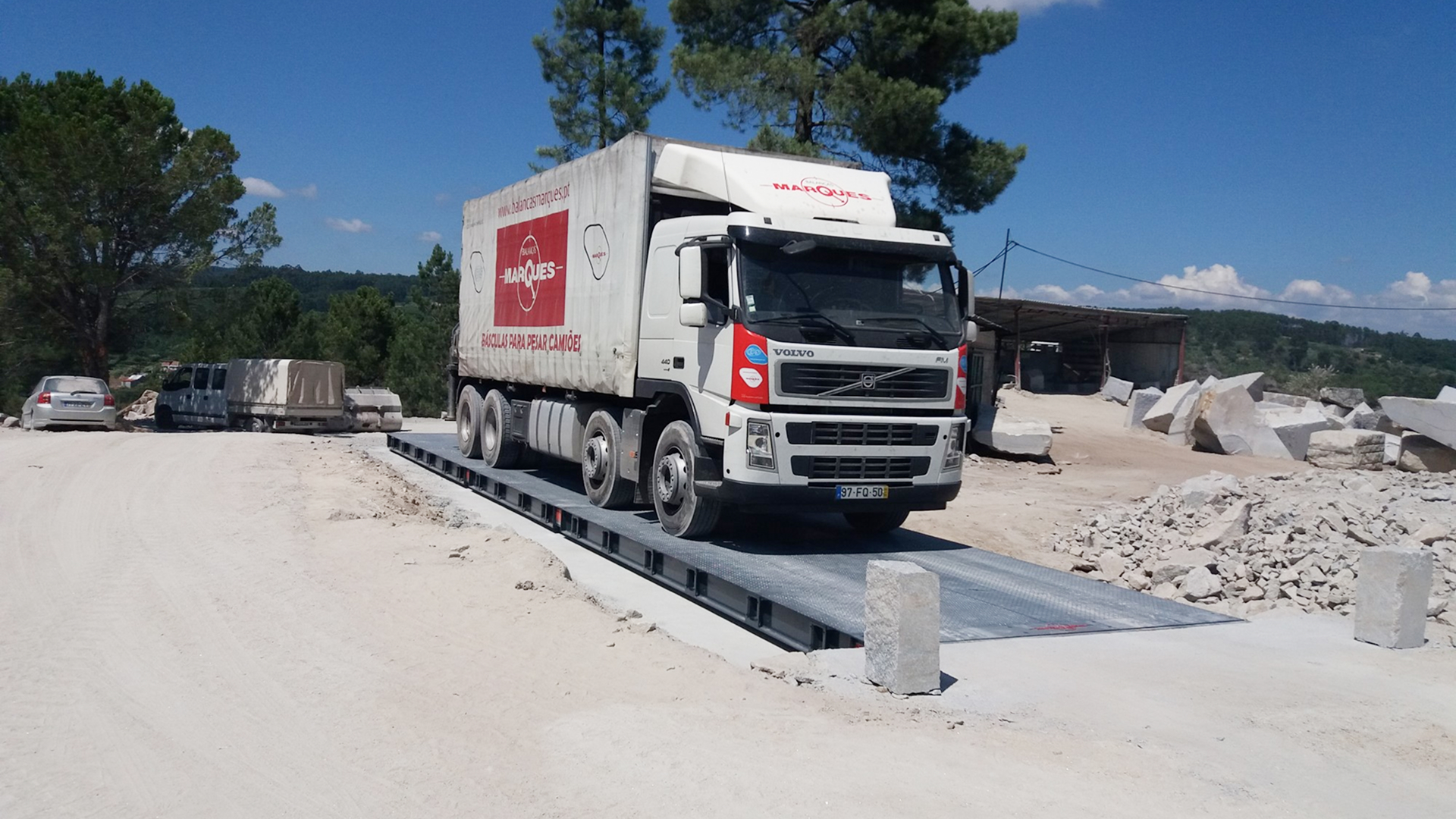
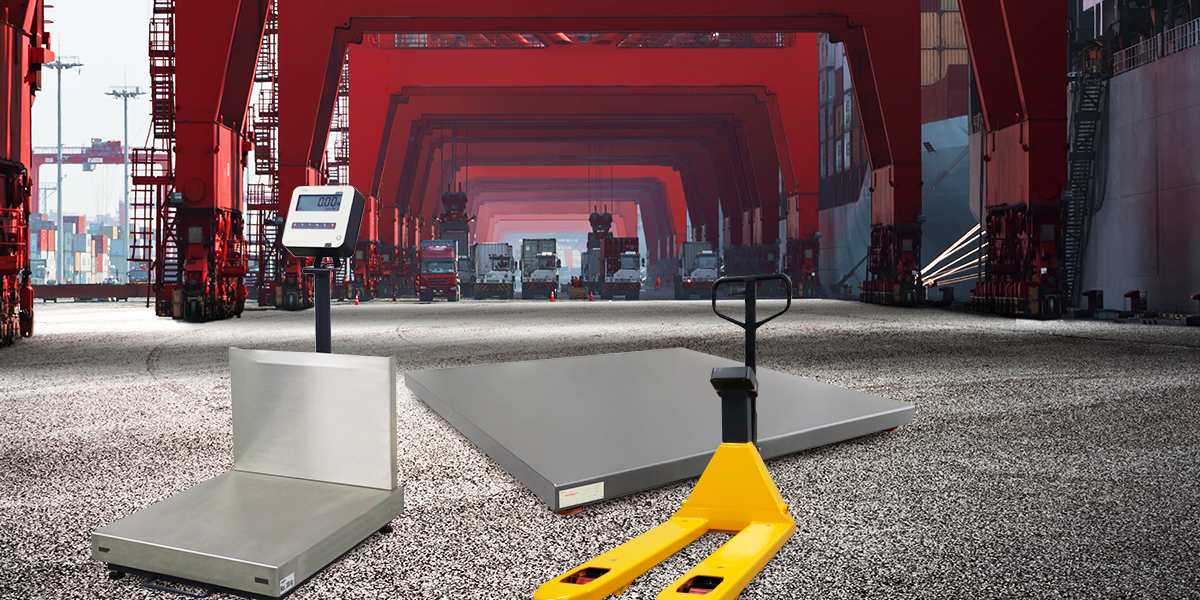
When we talk about industrial scales, we are essentially referring to two types of large-dimension weighing equipment:
3. Summary of differences
Truck scale or industrial platform: which is right for you?
If you are unsure whether you need a truck scale or an industrial platform scale, the answer depends essentially on what you are going to weigh. These are the main differences between the two types of equipment.
Comparison between truck scale and industrial weighing platform
4. Curiosity
Where does the term "bascule" come from?
The word "bascule" comes from French. According to the dictionary, it can be used to refer to a "balance designed for heavy objects, usually with a horizontal platform" or a "drawbridge".
In the context of weighing, we use the term to refer to industrial weighing equipment.
In general, in Portugal, the term is most commonly used to refer to truck scales (i.e., vehicle weighbridges), although it can also be applied to large-dimension platforms used in industry, logistics or agriculture.
5. Business areas
Which sectors can use an industrial scale?
From quarries to agro-industrial units, industrial scales are present in the most demanding sectors of the economy. Their reliability makes them indispensable in any operation where rigorous weight control is critical — to meet legal obligations, ensure quality or make processes more efficient.
Construction &
Engineering

On construction sites, quarries and concrete plants, truck scales are used to control the weight of lorries carrying aggregates, sand, cement and other materials. Accurate load recording helps manage production costs, avoid waste and ensure rigour in raw material purchases.
Agriculture &
Agro-industry

From crop reception to finished product dispatch, weighing is essential to ensure fairness in commercial transactions and quality control for each batch. Truck scales and industrial weighing platforms adapt to the demands of farms and food processing units.
Forestry

In the forestry sector, weighing timber, biomass and other products is fundamental for invoicing and controlling exploited quantities. Truck scales allow vehicles to be weighed at the entrance and exit of sites, ensuring traceability and legal compliance throughout the chain.
Transport &
Logistics

In road transport, weighing is mandatory to comply with legal axle load limits and avoid fines. At logistics hubs, truck scales and platforms control the weight of goods at reception and dispatch, ensuring transaction accuracy and preventing commercial disputes.
Recycling &
Waste Management

At waste management centres and recycling companies, weighing is mandatory for registration, invoicing and legal compliance. Truck scales can automatically record vehicle weights at entry and exit, facilitating traceability and environmental reporting.
Chemicals &
Materials

In the chemical and materials industry, weighing accuracy is a quality and safety requirement. Platform scales allow raw materials, reagents and finished products to be weighed reliably, integrating into quality control and batch traceability systems.
Industry &
Manufacturing
In production lines, warehouses and dispatch areas, weighing is integrated into quality control, inventory management and invoicing processes. An industrial platform scale ensures consistency in every batch and compliance with the company's quality system requirements.
Other
Sectors

Marques scales — both truck scales and platforms — are used in many other contexts where weight control is essential, from mining to the energy sector, as well as companies with their own fleet who need to control dispatched and received loads to protect business profitability.
Construction &
Engineering
On construction sites, quarries and concrete plants, truck scales are used to control the weight of lorries carrying aggregates, sand, cement and other materials. Accurate load recording helps manage production costs, avoid waste and ensure rigour in raw material purchases.
Agriculture &
Agro-industry
From crop reception to finished product dispatch, weighing is essential to ensure fairness in commercial transactions and quality control for each batch. Truck scales and industrial weighing platforms adapt to the demands of farms and food processing units.
Forestry
In the forestry sector, weighing timber, biomass and other products is fundamental for invoicing and controlling exploited quantities. Truck scales allow vehicles to be weighed at the entrance and exit of sites, ensuring traceability and legal compliance throughout the chain.
Transport &
Logistics
In road transport, weighing is mandatory to comply with legal axle load limits and avoid fines. At logistics hubs, truck scales and platforms control the weight of goods at reception and dispatch, ensuring transaction accuracy and preventing commercial disputes.
Recycling &
Waste Management
At waste management centres and recycling companies, weighing is mandatory for registration, invoicing and legal compliance. Truck scales can automatically record vehicle weights at entry and exit, facilitating traceability and environmental reporting.
Chemicals &
Materials
In the chemical and materials industry, weighing accuracy is a quality and safety requirement. Platform scales allow raw materials, reagents and finished products to be weighed reliably, integrating into quality control and batch traceability systems.
Industry &
Manufacturing
In production lines, warehouses and dispatch areas, weighing is integrated into quality control, inventory management and invoicing processes. An industrial platform scale ensures consistency in every batch and compliance with the company's quality system requirements.
Other
Sectors
Marques scales — both truck scales and platforms — are used in many other contexts where weight control is essential, from mining to the energy sector, as well as companies with their own fleet who need to control dispatched and received loads to protect business profitability.
6. Choosing process
How to choose your industrial scale
Choosing an industrial scale is not a decision that should be made based on price alone. The right equipment is the one that meets the concrete needs of your business, today and in the years ahead.
7. Software
Weighing software: total control and traceability
Today, an industrial scale goes far beyond providing a reliable weighing result. The data it generates is increasingly central to business management — ensuring quality standards, operational efficiency and compliance. That is why Marques weighing equipment works together with specially developed software, based on real feedback from customers in the field.
8. Equipment installation
Every industrial weighing project starts on site
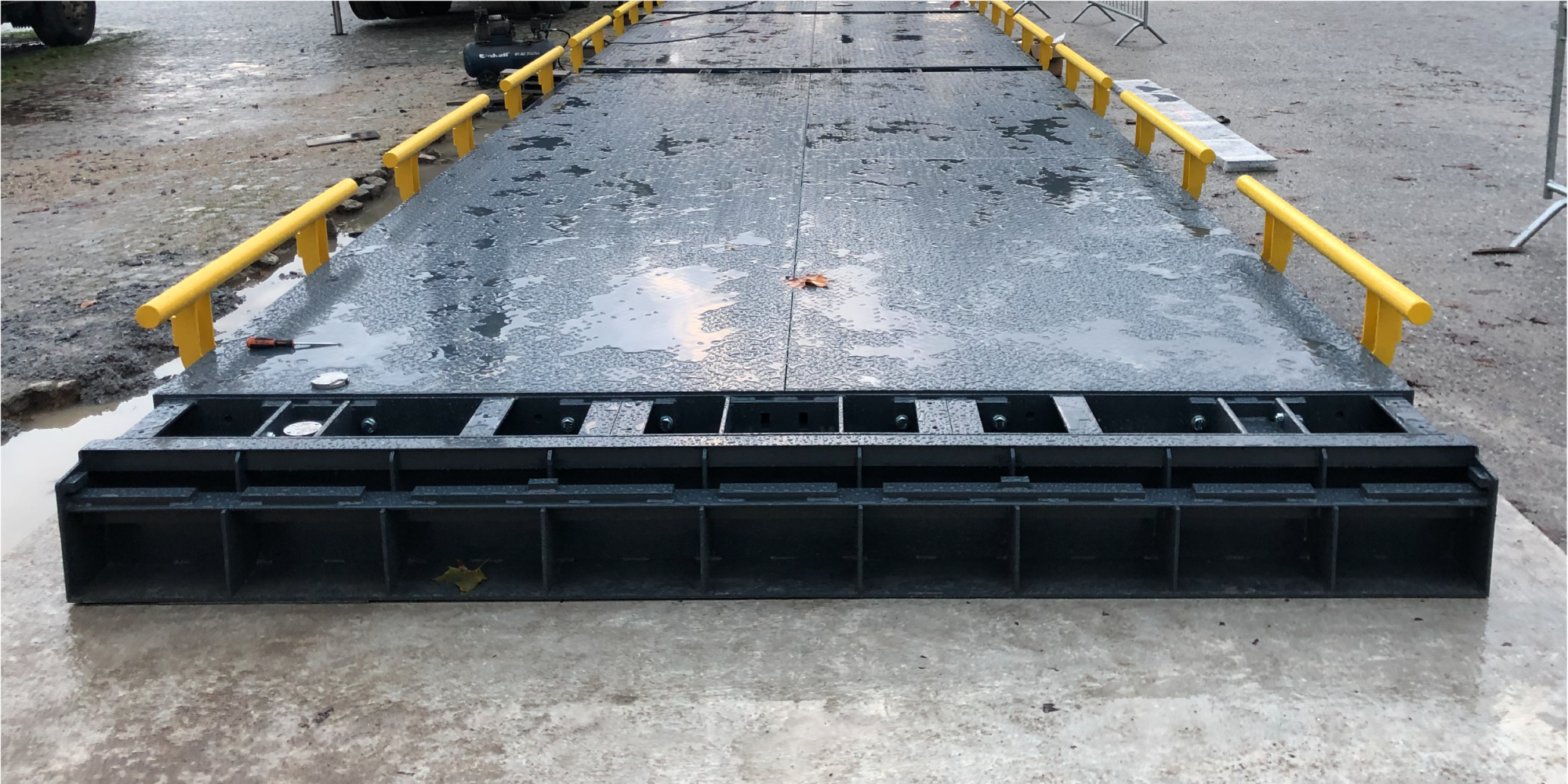
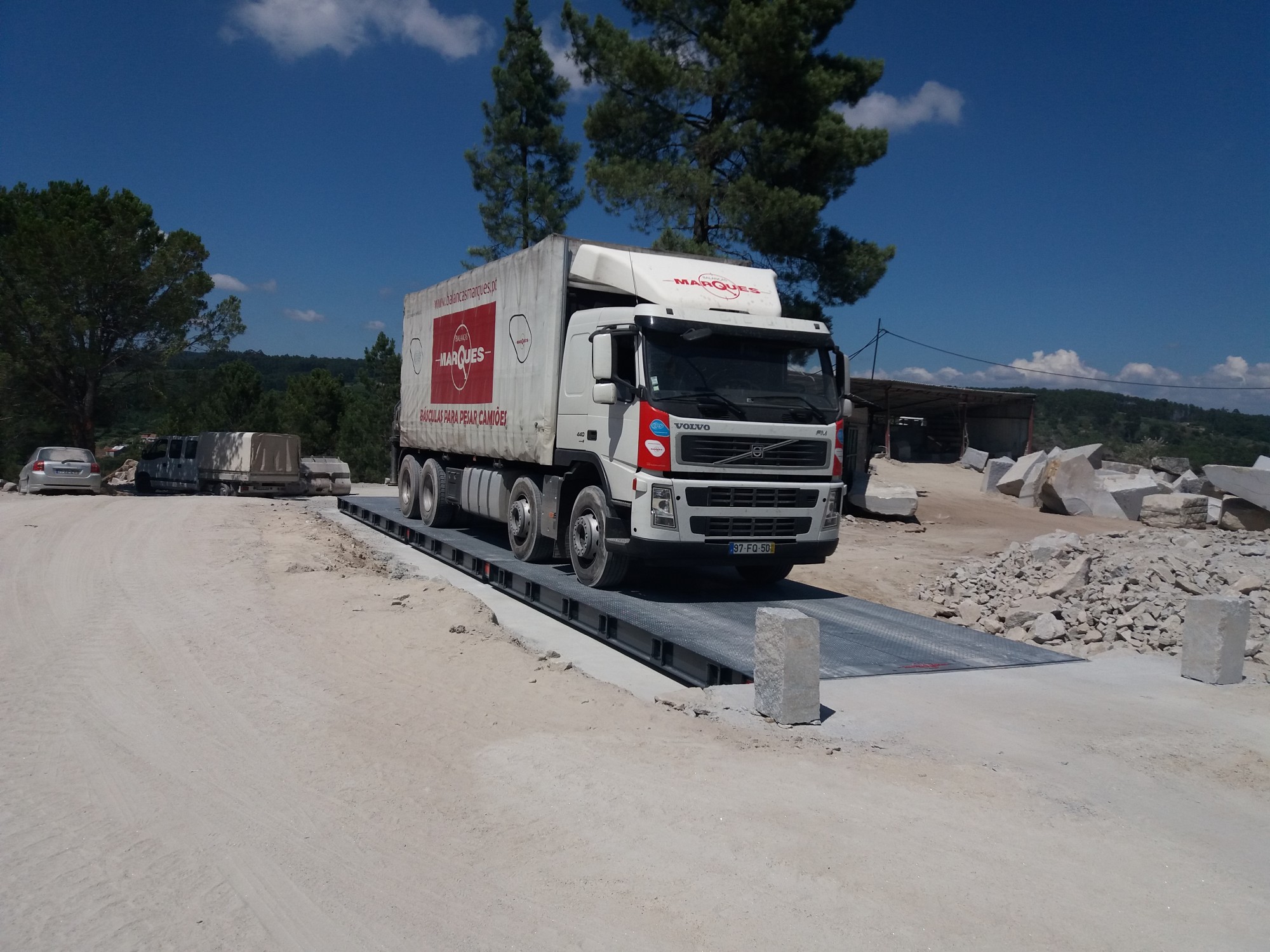
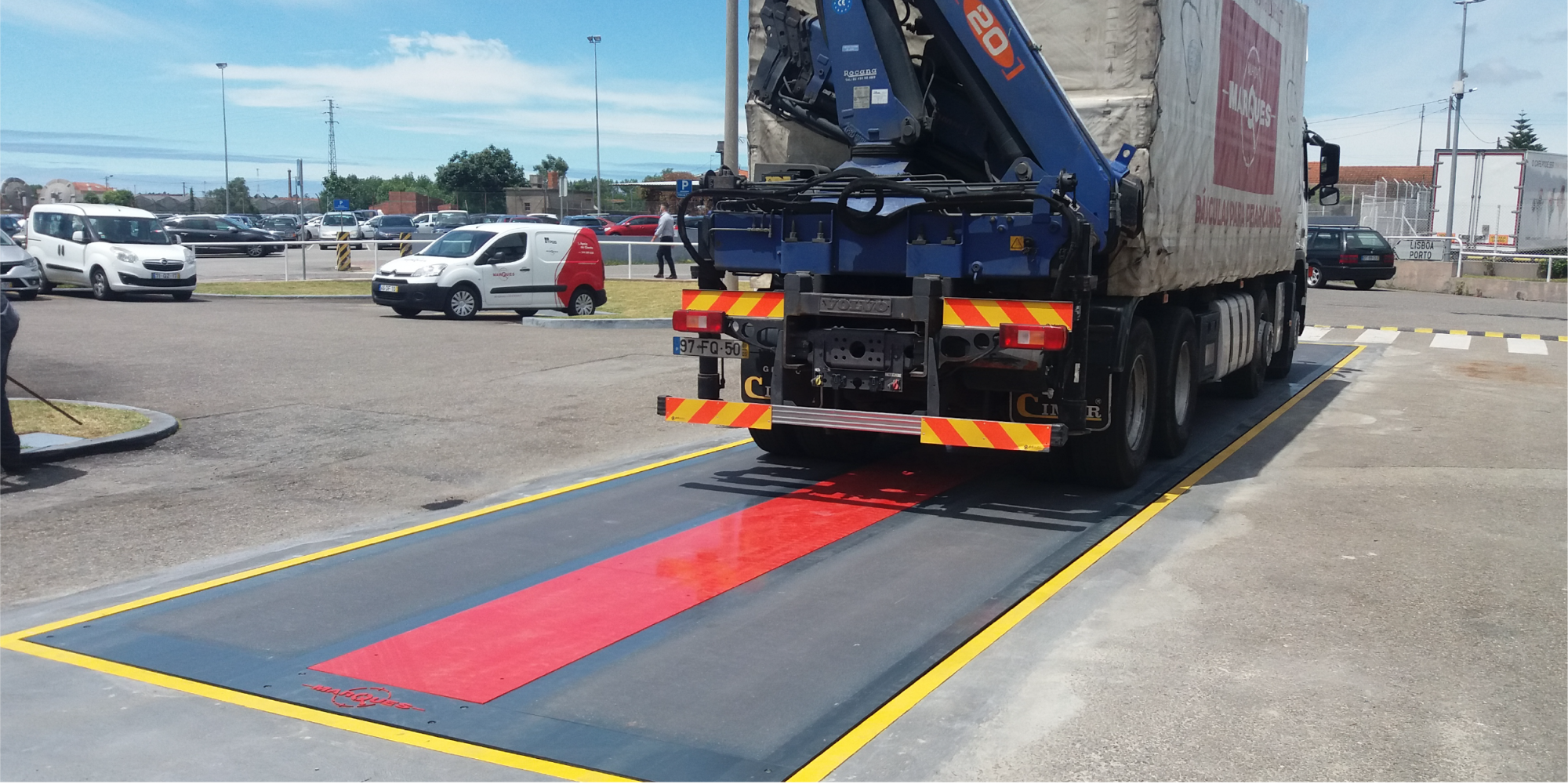
Installing a weighbridge or an industrial platform is not a standardised process: it depends on the type of ground, access conditions and the specific requirements of the company’s activity. These images show how Marques teams prepare, carry out and fine-tune each installation to ensure accuracy, safety and durability in every context.
9. Articles
More about industrial weighing and scales
Want to learn more about industrial scales, truck scales or Marques weighing solutions? Browse our blog, find definitions for the most relevant concepts and all the explanations you need to work with industrial scales.
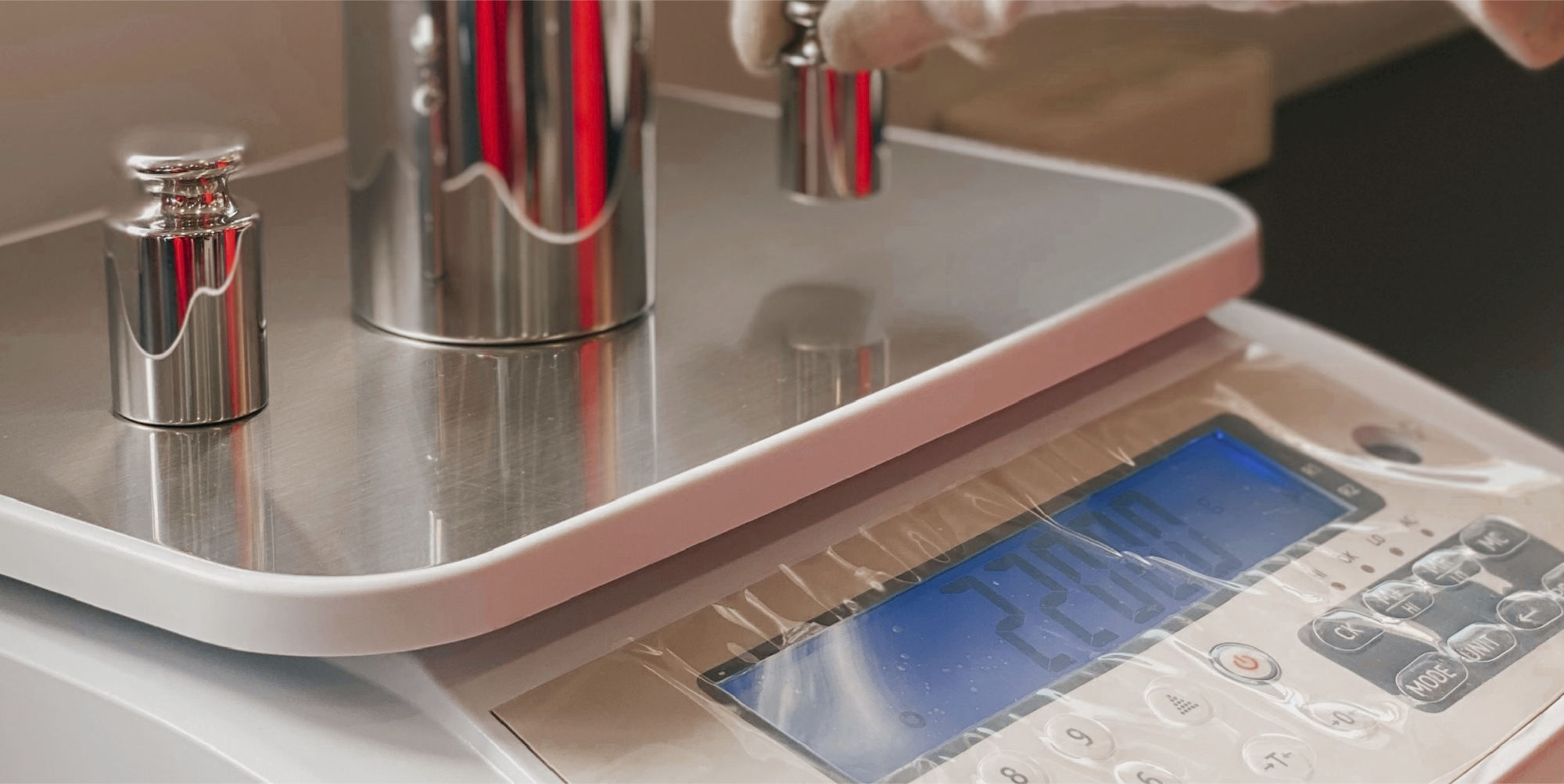
Scale capacity and division explained
Learn what these two terms mean so you can choose the right scale for your needs.
3 reasons to choose an industrial weighing platform
If you need a new industrial scale, find out when a weighing platform is the right choice.
How to protect your weighbridge in winter
Follow our weighing specialists’ advice and learn how to maintain your weighbridge during winter.
Truck overloading: consequences and prevention
Overloading can have serious consequences for your business. Learn about them and how to prevent the problem.
Weighbridges and commercial transactions: rules to follow
Learn about the European rules protecting consumer rights in commercial weighing transactions.
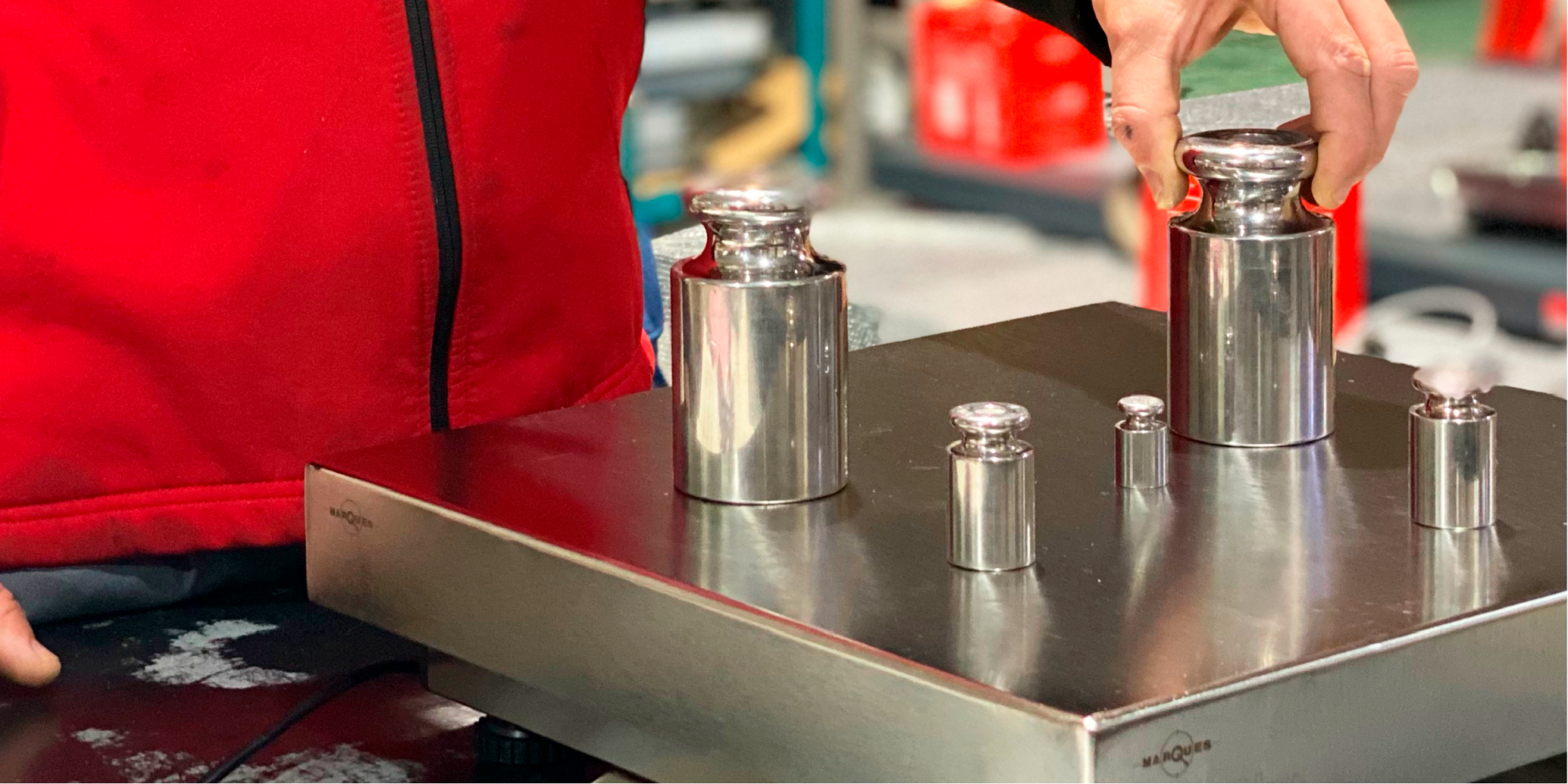
Weighing 101: metrological verification vs calibration
Understand the differences between verification and calibration and their legal and quality implications.
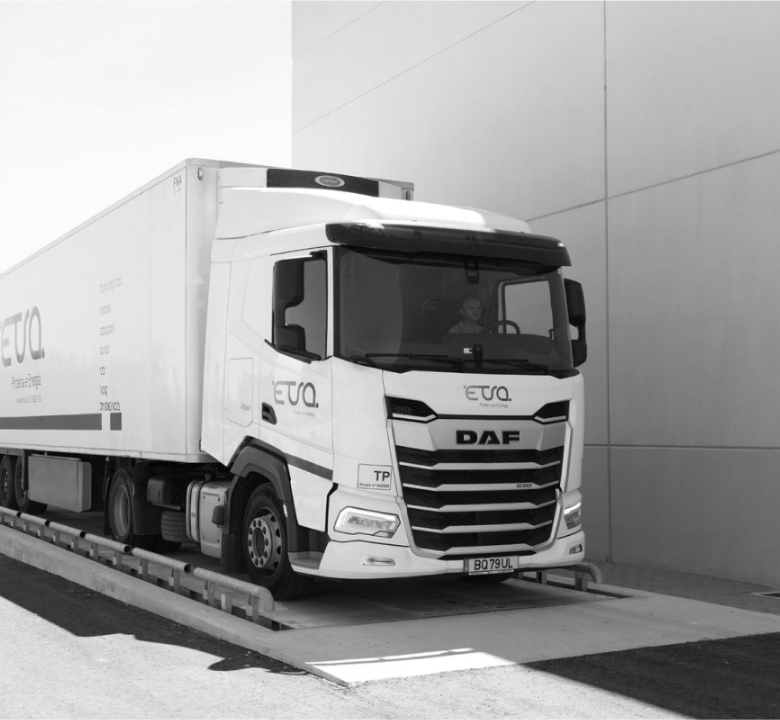
Discover the ideal scale for your business.
10. FAQ'S
Frequently asked questions about industrial scales
As manufacturers and exporters of weighing equipment, we regularly receive questions about weighing and industrial scales. Here we answer some of them so you can clarify your main doubts with us.

Still have questions about industrial scales?
Talk to our industrial weighing specialists and find the ideal solution for your business.
© Marques 2026